Where Is The Best Place To See Dolphins In Australia?
A practical checklist for judging any dolphin destination, applied to Port Stephens: a resident pod of roughly 90 to 120 bottlenose dolphins, year-round cruises and free-return terms.
Australia has no shortage of water with dolphins in it, from coastal bays to open ocean headlands, and plenty of towns claim the title for themselves. But a claim is not a sighting, and the difference between a memorable dolphin trip and a long boat ride with nothing at the end usually comes down to a few measurable things: whether the animals live there permanently, whether boats run when you can actually travel, and what happens if the dolphins do not show.
One place answers all three with verifiable facts rather than slogans. Port Stephens, in New South Wales about 2.5 hours by car from Sydney by operator figures, holds a resident population of roughly 90 to 120 Indo-Pacific bottlenose dolphins, counted by the NSW National Parks and Wildlife Service, that lives inside the Port Stephens-Great Lakes Marine Park all year. Boats leave from Nelson Bay in every month of the year, and the operators publish free-return terms for the days the pod proves hard to find.
That is the standard a dolphin destination should be held to, and it is the standard worth carrying with you wherever you go.
Why A Resident Pod Changes Everything
A resident pod is the single biggest factor separating reliable dolphin watching from luck-based tourism. Migratory dolphins pass through on a schedule you cannot control; resident dolphins are home the day you arrive. Port Stephens has a permanent population of roughly 90 to 120 Indo-Pacific bottlenose dolphins, a figure from the NSW National Parks and Wildlife Service, and the NPWS is explicit that you can visit Nelson Bay at any time of year to see them.
That number deserves more attention than it usually gets. Research from Macquarie University, cited by NPWS in its Port Stephens Bottlenose Dolphins Visitor Guide, found the Port Stephens population is genetically distinct and seldom interbreeds with coastal dolphins. These are not passing animals. They are a closed community that has lived, fed and raised calves in the estuary across lifespans of 30 to 40 years, with some individuals travelling outside the Heads and a second dolphin community living around Broughton Island, about 20 km away.
The residency has a knock-on effect most visitors never hear about: the dolphins have routines. Animals in the eastern section of the marine park are often seen off Shoal Bay beach, and the local boats work those waters daily. A skipper who has watched the same pod for years is not guessing where to point the bow. Locals even run an annual Community Dolphin Census, a volunteer count that tracks the population over time, which tells you the community here is studied rather than merely marketed.
There is a science angle worth one paragraph of honesty, hedged and dated. A 2012 paper in the Journal of Environmental Management by Steckenreuter, Moller and Harcourt, using boat surveys from August 2008 to August 2009, found that while dolphin-watching boats were present, dolphins fed and socialised less. That is old data from before the current approach rules; it cannot be read as a description of today's boats. But it explains why the rules exist, and why a well-run destination is one where boats keep their distance. The official NSW approach rules let a vessel come no closer than 50 m to a dolphin, with a 150 m caution zone, a limit of three vessels in the zone at once, and a requirement to hold course and speed if dolphins choose to bow-ride, all set out by NSW Government at NSW approach distances for marine mammals. A destination that follows those rules is protecting the very thing it sells.
If you want the full story of the pod itself, the guide to the bottlenose dolphins of Port Stephens goes deeper into the genetics and the census, and it pairs well with the data on how likely you are to see dolphins from a Nelson Bay boat before you commit to a date.
How To Judge Any Dolphin Destination Before You Book
Five checks separate a strong dolphin destination from a weak one: a permanent resident population, boats that run in every month you might travel, regulated approach distances, published free-return terms if no dolphins appear, and easy access from where you actually are. Port Stephens passes all five. Apply the same checklist to any other stretch of Australian coastline and the marketing falls away quickly.
The first check is the one most travellers skip. Ask whether the dolphins live there or pass through. A town with a seasonal migration can still give you a great day, but your window is narrow and your odds swing with the calendar. The second check is schedule: a resident pod is worthless to you if the boats only run in peak summer. In Port Stephens the dolphin cruises run all year, with Moonshadow-TQC Cruises operating every day except Christmas Day, and the operator describes late morning and early afternoon departures daily.
The third check is regulation. You want a place where boats obey approach-distance law rather than chasing animals for a closer photo. The fourth is the terms: what happens on a quiet day. Moonshadow says the dolphins are totally wild and that 100 percent sighting success is not guaranteed; if dolphins are not located, it gives a non-transferable free return voucher on a standby basis, with no cash refund. Imagine Cruises carries a Dolphin Guarantee, a free return, on its sailing cruise. Neither is a promise of dolphins, but both mean a bad day is not a lost day. The fifth check is access: Nelson Bay is about 2.5 hours by car from Sydney, coach day trips run from the city, and pickup tours run from Newcastle.
| Check | What to ask | Port Stephens answer |
|---|---|---|
| Resident pod | Do the dolphins live here permanently? | Yes, roughly 90 to 120 Indo-Pacific bottlenose dolphins (NPWS) |
| Year-round boats | Do cruises run in every month? | Yes, dolphin cruises run all year, daily except Christmas Day |
| Regulated approaches | Are approach distances enforced by law? | Yes, NSW rules: 50 m from dolphins, three-vessel limit in the caution zone |
| Free-return terms | What if no dolphins appear? | Moonshadow: standby free return voucher; Imagine: Dolphin Guarantee free return |
| Access | Can you reach it without a hire car? | About 2.5 hours by car from Sydney; coach day trips and Newcastle pickup tours |
Use the table as a buyer's tool, not just a description of one place. Any operator, anywhere in Australia, should be able to answer the middle three questions plainly. If a destination cannot tell you its dolphin numbers, its season or its no-show policy, you have learned something useful before paying.
The comparison question travellers ask most, Port Stephens or Jervis Bay for a dolphin boat, works through the same checklist with a second destination, and it is worth reading before you lock in travel dates.
What Port Stephens Boats Actually Offer
The Nelson Bay fleet covers five distinct dolphin experiences, from a one-hour express run to a 3.5-hour snorkel sail, with from-prices between A$46 and A$100 per person and durations between one and 3.5 hours. Three operators run them: Moonshadow-TQC Cruises, Imagine Cruises and Aquamarine Adventures, all boarding at d'Albora Marina, Nelson Bay, except the BBQ and Boom Net cruise, which boards at the Victoria Parade cruise terminal.
Australian dollars throughout, and prices are from-prices as the operators show them; check dates and the current price when you book. The entry point is the Moonshadow Dolphin Discovery Cruise, from A$46 per person, 1.5 hours, rated 4.4 from 1,047 reviews, with a boom net, captain and commentary. The Imagine Dolphin Watch Cruise and Sail, from A$50, puts you on a sailing catamaran with 360-degree viewing, a dry bow-net and a wet boom-net, tea and coffee included, rated 4.8 from 106 reviews; it runs November to the end of April only. Aquamarine's 1-Hour Dolphin Watch Express, from A$55 and rated 4.9 from 62 reviews, is the fast option for a tight schedule. The BBQ and Boom Net cruise, from A$59 for two hours, adds a sausage sizzle and runs December to April. The Marine Discovery snorkel cruise, from A$100 for 3.5 hours with a dive-master guide and snorkel gear included, is the deepest-water day.
| Cruise | Duration | From price | What stands out |
|---|---|---|---|
| Dolphin Discovery (Moonshadow) | 1.5 hours | A$46 | Boom net, inshore route, 4.4 from 1,047 reviews |
| Dolphin Watch Cruise and Sail (Imagine) | 1.5 hours | A$50 | Sailing catamaran, tea and coffee, November to April |
| 1-Hour Dolphin Watch Express (Aquamarine) | 1 hour | A$55 | Fast cruise to the resident pod, 4.9 from 62 reviews |
| BBQ and Boom Net (Moonshadow) | 2 hours | A$59 | Sausage sizzle and boom net, December to April |
| Marine Discovery snorkel (Imagine) | 3.5 hours | A$100 | Dive-master guide, snorkel gear, bow-net and boom-net |
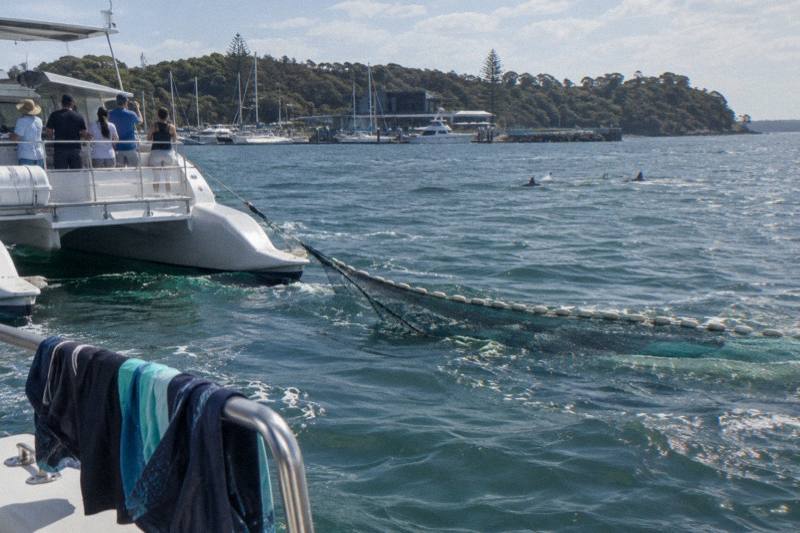
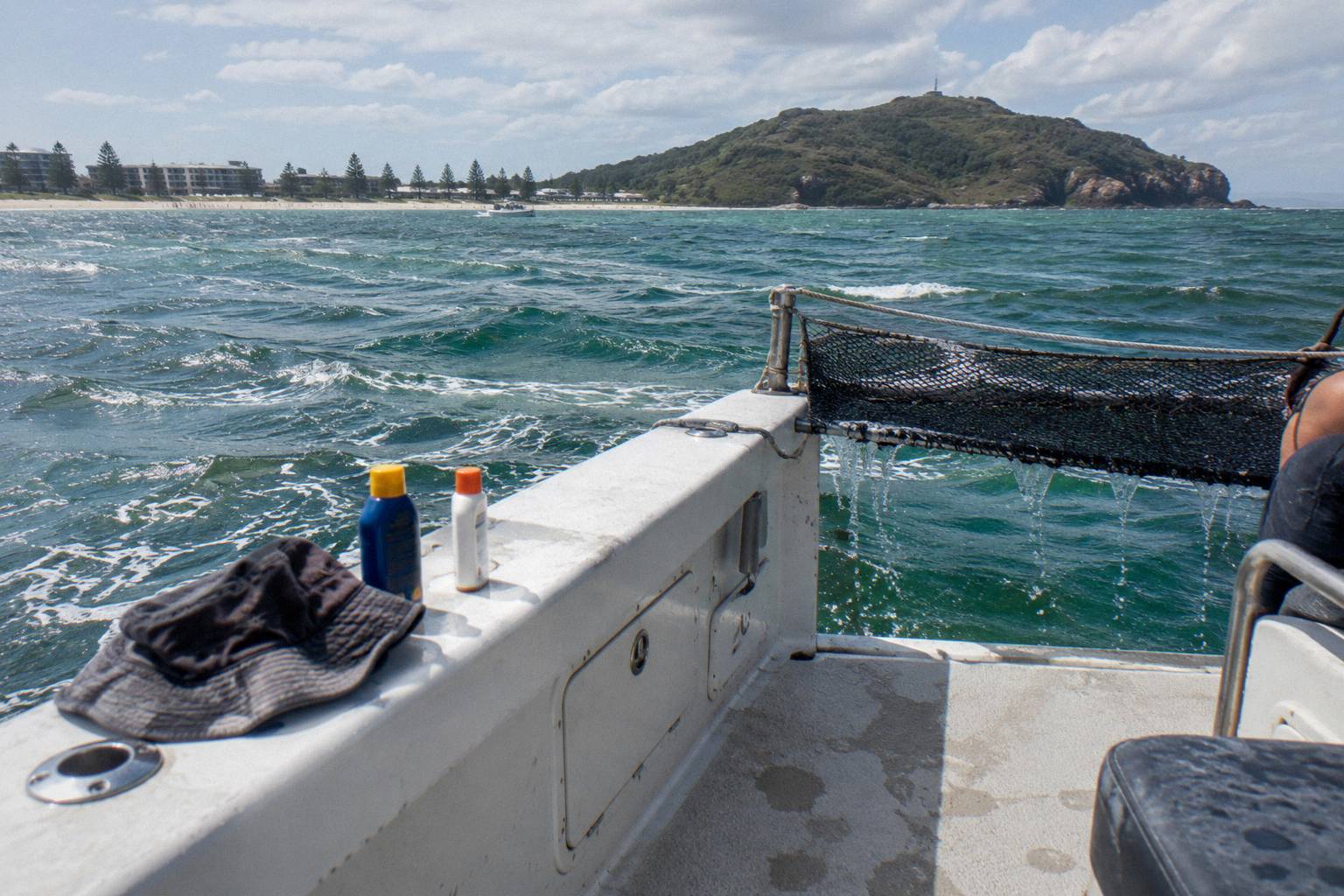
A note on what a boom net is, because the name misleads people. It is a net slung off the side of the vessel that you sit in while the boat moves: a ride in the water, never a swim with dolphins, and only the trips named above carry one. The full lowdown is in the guide to the boom net dolphin experience in Nelson Bay. No cruise anywhere lets you swim with the wild pod; why that is off the table is covered in why you can't swim with dolphins anymore.
For the standard first cruise, the Dolphin Discovery run is the default many travellers land on: the lowest from-price, a boom net and a schedule that operates every day of the year. It also stays inshore, which matters if calm water is a priority for your group.
The Season Bonus: Dolphins In Every Month, Whales In Winter
Dolphins are a year-round proposition in Port Stephens, but the calendar adds a second act: humpback whales pass between May and November, with up to 40,000 animals migrating along the NSW coast each year, per NSW Government figures. Visit in July and you can book a dolphin cruise knowing whales are in the same stretch of water; visit in January and the warm months bring out the sailing and BBQ cruises.
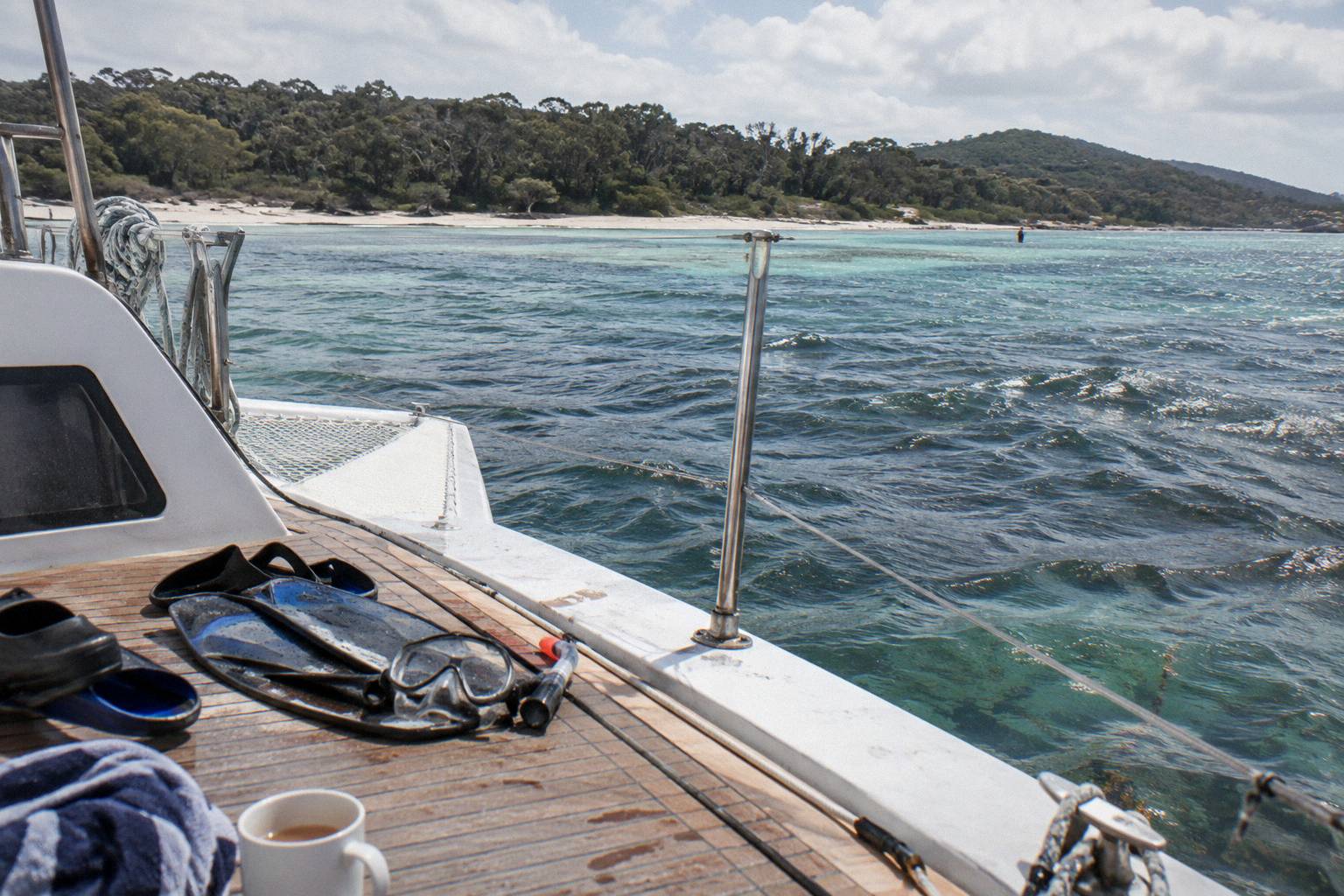
The seasonal split is clean. Dolphin boats run in all twelve months. The Imagine sailing cruise and the BBQ and Boom Net cruise are summer-season products, November to April and December to April respectively, while the Moonshadow dolphin cruises never stop. Whale season fills the cooler half of the year: humpbacks head north from May to August and return south from August to November, and the Aquamarine Whale Watching Express, from A$99 and rated 4.5 from 87 reviews, carries a whale guarantee in the form of a free return voucher valid 12 months if no whales appear. Its operator also keeps a lookout for dolphin pods, and some guests report dolphin sightings on the whale runs, which is a bonus rather than a promise.
Weather-wise, the Bureau of Meteorology's Nelson Bay climate averages put summer daytime maxima around 25.9 to 27.3 degrees Celsius and winter maxima around 17.6 to 18.9, with rainfall peaking in late autumn and winter. These are land averages, not sea conditions, but they shape what a day on the water feels like: warm months for the boom net and the snorkel sail, cooler months for the whale migration with the pod still resident underneath it all.
| Months | Dolphin boats | Whales | What the period suits |
|---|---|---|---|
| November to April | All cruises, including the sailing catamaran (November to April) and BBQ cruise (December to April) | Whale season ends in November | Boom net rides, snorkel sail, warm-water days |
| May to August | Moonshadow dolphin cruises and the 1-hour express run; the sailing cruise does not | Humpbacks head north | Whale watching with the resident pod still resident |
| September to October | Moonshadow dolphin cruises and the 1-hour express run; the sailing cruise does not | Humpbacks return south | Shoulder-season dolphin trips ahead of the summer products returning |
| December to January | Full summer schedule | No whales | Peak dolphin season, longest daylight of the year |
If the two-species idea appeals, the guide to the dolphin and whale watching combined cruise explains how the seasons overlap, and the month-by-month guide to dolphin watching season in Port Stephens is the one to read before choosing dates. For a sense of how often the pod is actually found, the month breakdown in what month is best for dolphin watching leans on the same NPWS residency facts.
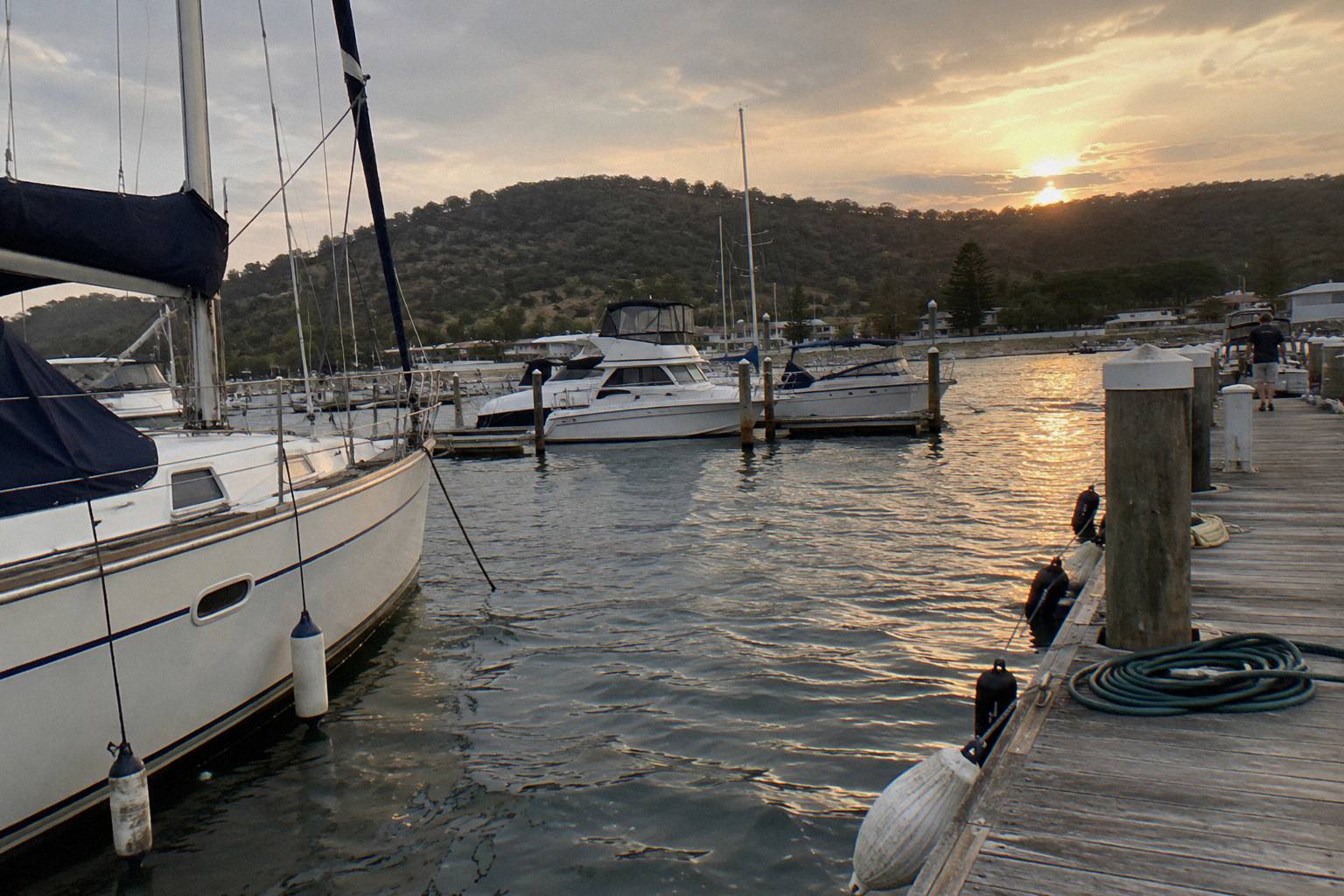
The sailing catamaran is the pick if you want the summer-season version: quieter propulsion when the sails go up, dry and wet net options for the water, and tea and coffee poured on board. Remember the November-to-April window, since winter travel rules it out.
Getting There Without Renting A Car
You do not need to drive to reach the dolphins. The Sydney Day Trip runs a coach from about 7:00am with hotel pickup in the CBD and includes a 90-minute dolphin cruise, koala sanctuary visit and Stockton Beach 4WD sandboarding for from A$199 per person; from Newcastle, two pickup tours cover the dolphins plus a hike or a wildlife park, from A$240 and A$295. Self-drivers cover the Sydney run in about 2.5 hours.
The Sydney coach day trip, run by Brighton Coach & Tours under the Gray Line Sydney banner, is the most complete version: 12 hours door to dock and back, rated 4.6 from 354 reviews, with snacks and water on the coach, drop-off at Sydney Central Station and the Furama Hotel Darling Harbour, and lunch at your own cost. The dolphin cruise inside it is a 90-minute Moonshadow eco cruise with commentary and an optional boom net swim. It excludes hotel drop-offs, personal expenses and insurance. Mandarin and Japanese guided versions of the trip exist as separate products.
From Newcastle, Newy Tour Co. runs two options. The hike-and-swim tour, from A$240 for 8 hours with pickup and drop-off at your accommodation, includes a dolphin cruise and excludes lunch and drinks; it is not suitable for children under 6. The Animal Lovers tour, from A$295 for 8 hours and back in Newcastle around 4pm, pairs the dolphin boat cruise and optional boom net with Oakvale Wildlife Park entry, a BBQ lunch, animal food for kangaroos and a quokka, and a 10-minute koala encounter for the group; it carries a minimum age of 7 and is not suitable for wheelchair users or people with animal allergies.
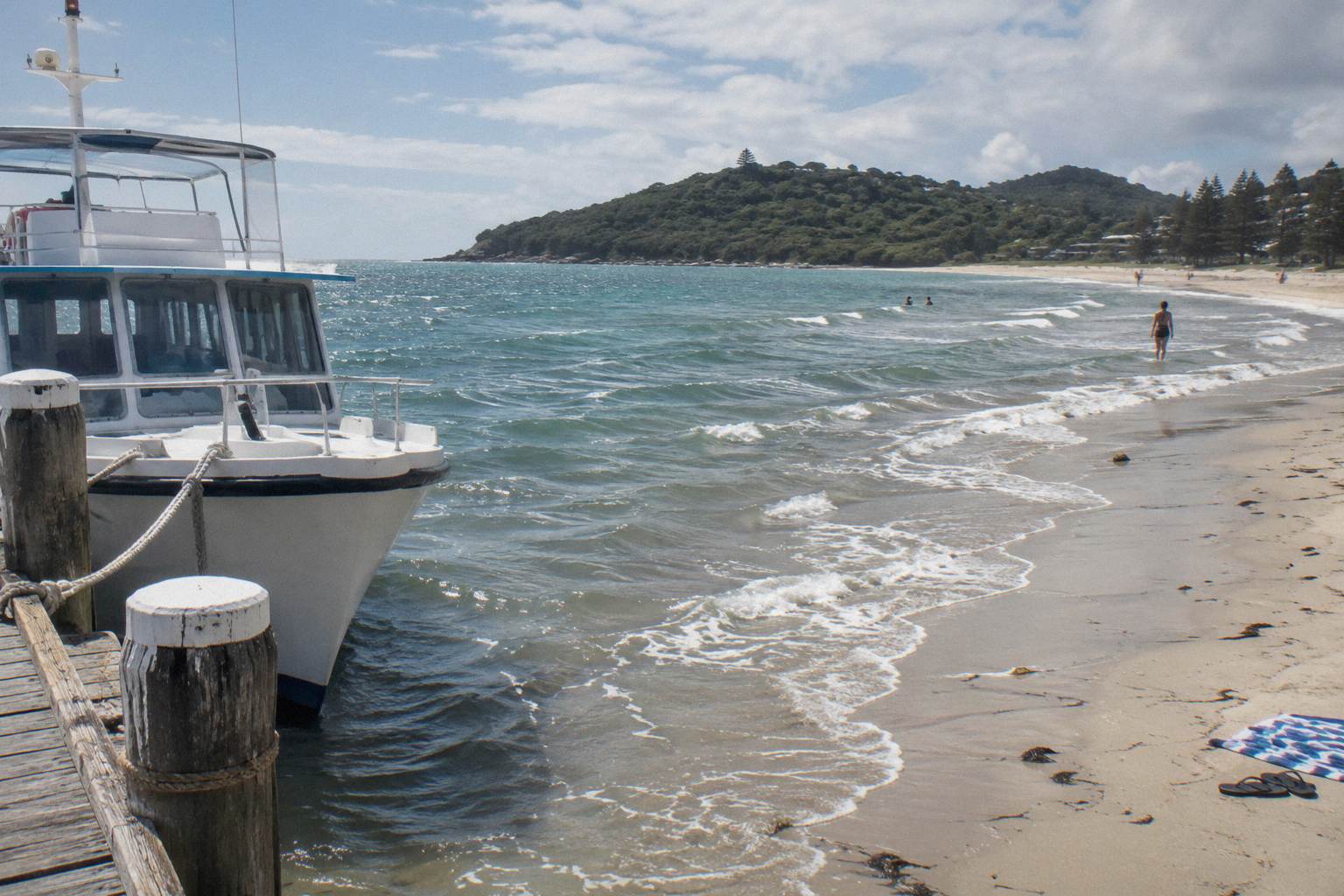
For independent travellers, driving takes about 2.5 hours from Sydney by operator figures, Port Stephens Coaches runs a Sydney express service with stops including Central, Chatswood, Pymble and Hornsby (fares and journey times vary, so check the coach operator), and local buses link Newcastle and Port Stephens (check Transport NSW for times). Once there, parking around d'Albora Marina and Victoria Parade is paid up to 4 hours between 8:30am and 4:30pm, some streets including Laman, Church and Magnus are free and unlimited, and the number plate is the ticket via card, coin or the Park'nPay app; Port Stephens Council runs number-plate Smart Parking with time limits, so check the signs. The boarding point detail, and the walk from car to dock, is mapped out in where the dolphin boats leave from in Nelson Bay.
Money, Cancellations And The Fine Print
Every dolphin boat in Nelson Bay can be cancelled free up to 24 hours before departure for a full refund, which makes booking ahead low-risk. From-prices run from A$46 for the standard 1.5-hour cruise to A$100 for the snorkel sail, and child and family fares are set by each operator. Read the terms, not the slogans, and check dates and the current price when you book.
The cancellation terms are the part worth reading twice, because they differ from the free-cancellation window. Cancel more than 24 hours out and you get a full refund. Inside 24 hours, Moonshadow's terms charge a standard cruise in full, amendments cost an admin fee, and there is no refund or transfer if you miss the departure; if the operator cancels, you get a full refund or a transfer. The sighting terms sit alongside: Moonshadow's free return voucher is non-transferable, standby-based and not a cash refund, and Imagine's Dolphin Guarantee is the operator's own free-return promise. Nothing anywhere guarantees dolphins, and any operator in any destination that implies otherwise has told you something about itself.
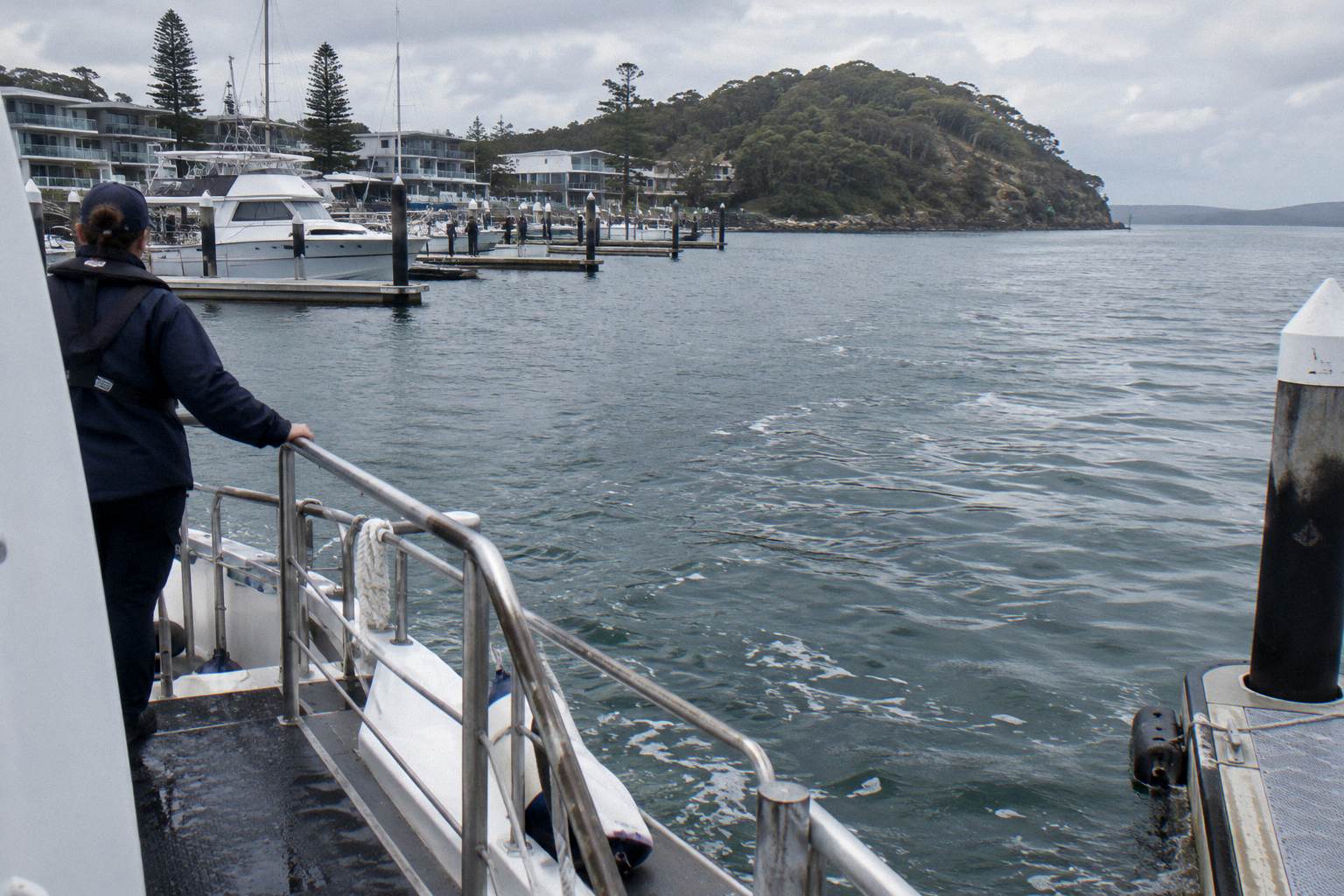
Booking practicalities are simple. The boats board at d'Albora Marina, Nelson Bay, except the BBQ and Boom Net cruise at Wharf 1, Victoria Parade; Moonshadow asks guests to board about 15 minutes before departure. Its office on Stockton Street is a short walk away but is a booking office, not the dock. Prams are not allowed on Moonshadow vessels though collapsible strollers are stored by the crew, the boom net requires children under 1.1 m to ride with an adult, and the vessels are not easily suited to wheelchairs, with a few steps to board and restrooms down a flight of stairs; Imagine may assist guests who can manage about five stairs. The deeper access detail is in accessibility on Nelson Bay dolphin boats.
What to pack depends on the trip: swimsuit and towels for any boom net (they are not supplied), your own wetsuit or a hire for the snorkel cruise, and layers for cooler months, non-slip flat shoes, a hat and sun protection year-round. The full breakdown, by season and by boat, lives in what to wear on a dolphin boat in Nelson Bay.
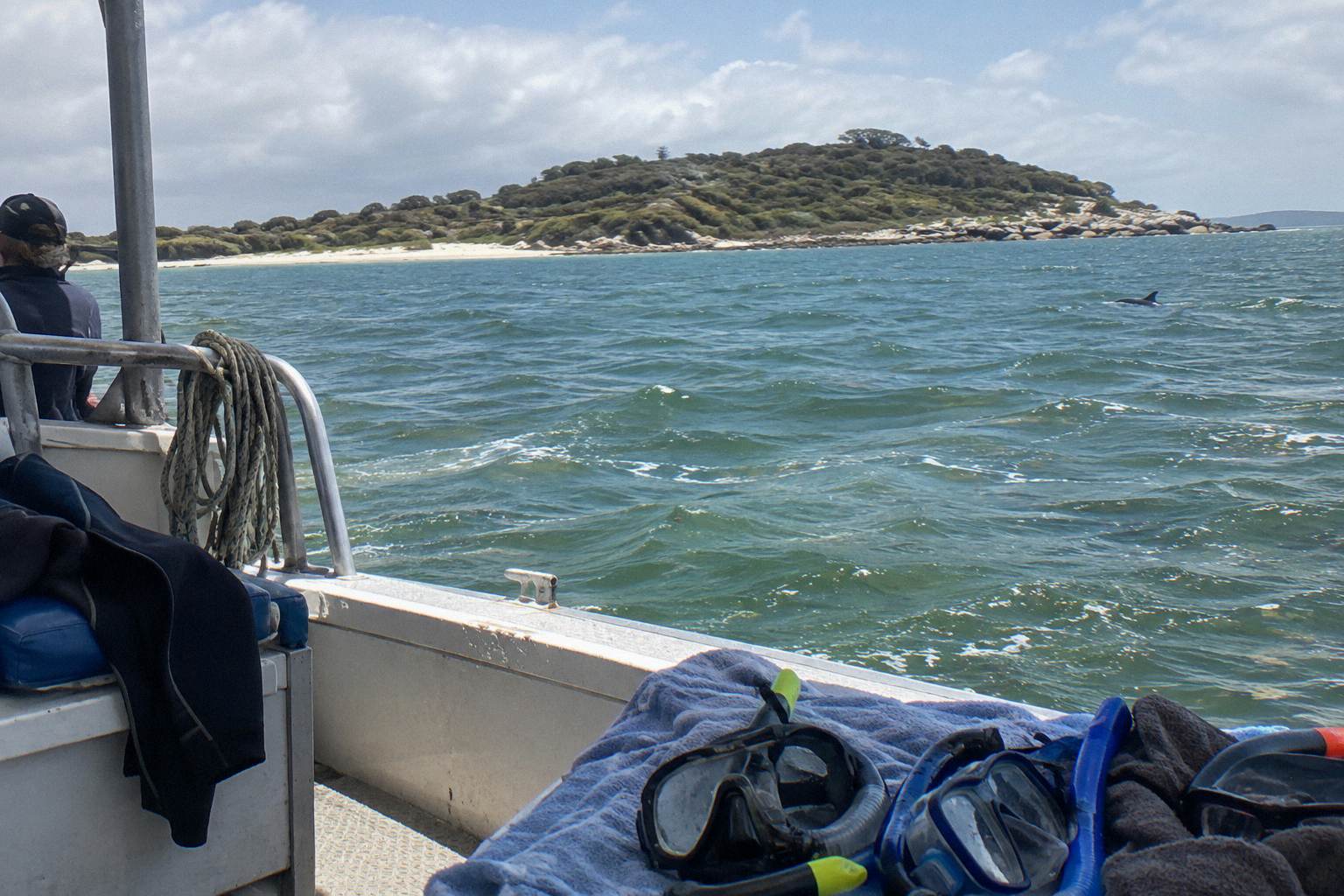
Mistakes That Ruin A Dolphin Trip
The avoidable errors are consistent across destinations: booking a seasonal product outside its season, expecting a guarantee no wild animal can honour, arriving at the wrong marina, assuming boats are wheelchair accessible without asking, and treating a dolphin cruise as a swim. Each one is prevented by a single check before you pay, and none of them cost anything to fix in advance.
Season mismatches are the most common. The sailing cruise ends in April and the BBQ cruise starts in December; book either in July and you will be rebooking. Marina mix-ups come next: most boats leave d'Albora, but the BBQ and Boom Net cruise boards at Victoria Parade, a different place entirely, and a wrong guess eats your 15-minute boarding buffer. Wheelchair assumptions deserve a phone call: the operators say plainly that the vessels are not easily suited to wheelchairs and crew cannot lift a guest aboard, so ask about your specific needs before booking rather than at the gangway.
The biggest mistake is expectation. The dolphins are wild, the pod moves on its own schedule, and both major operators publish free-return terms precisely because quiet days happen. Bring that expectation and a quiet day becomes a free second trip. Bring a guarantee nobody offered and no destination in Australia will satisfy you. Moonshadow's own dolphin watching page, at its cruises and dolphins information, states its sighting terms in its own words, and its operator FAQ covers boarding, prams and parking details worth confirming before travel day.
Where does that leave the national question? With a method rather than a crown. A destination with a genetically distinct resident pod, twelve-month boat schedules, law-governed approach distances, free-return terms and easy access from two major cities has answered everything a dolphin seeker can reasonably ask. Port Stephens is the place this coverage is built around, and Port Stephens Dolphin Cruises exists to keep those answers current. Take the checklist, weigh any other stretch of Australian coastline against it, and the best place becomes the one you can verify before you board.
Common Questions About Dolphin Watching In Australia
Where Is The Best Place To See Dolphins In Australia?
No national ranking is offered here, and no other location is compared. The worked example is Port Stephens, NSW: roughly 90 to 120 resident Indo-Pacific bottlenose dolphins (NPWS), dolphin cruises in every month of the year, regulated approach distances and free-return terms from both major operators. Apply the same five checks to any other destination before booking.
Are The Port Stephens Dolphins There All Year?
Yes. The NSW National Parks and Wildlife Service says roughly 90 to 120 Indo-Pacific bottlenose dolphins live permanently in the waters of Port Stephens within the marine park, and Nelson Bay can be visited at any time of year to see them. Moonshadow's dolphin cruises run all year, daily except Christmas Day; the Imagine sailing cruise runs November to April only.
What Happens If No Dolphins Appear?
Moonshadow says the dolphins are totally wild and 100 percent sighting success is not guaranteed; if dolphins are not located it issues a non-transferable free return voucher on a standby basis, not a cash refund. Imagine's Dolphin Watch Cruise and Sail carries a Dolphin Guarantee, a free return. No cruise guarantees a sighting.
How Much Does A Dolphin Cruise Cost?
From A$46 per person for the 1.5-hour Dolphin Discovery cruise, rising through A$50 for the sailing cruise, A$55 for the 1-hour express, A$59 for the BBQ and boom net cruise and A$100 for the 3.5-hour snorkel sail. Day trips run from A$199 from Sydney and from A$240 and A$295 from Newcastle. All prices are per person in Australian dollars and change, so check the current price.
Can You Get There From Sydney Without A Car?
Yes. The Sydney day trip coach leaves about 7:00am with hotel pickup in the CBD and includes a 90-minute dolphin cruise, a koala sanctuary visit and Stockton Beach 4WD sandboarding instruction. Driving takes about 2.5 hours by operator figures, and Port Stephens Coaches runs a Sydney express service; check the coach operator for fares and times.
Can You Swim With The Dolphins In Port Stephens?
Not on these cruises. The boom net is a net ride alongside the boat, never a swim with dolphins, and no cruise here offers a wild dolphin swim. NSW approach rules keep vessels at least 50 m from dolphins, and the rules govern vessels, not swimmers; nothing in them creates a swim-with-dolphins option.