How Likely Are You To See Dolphins From A Nelson Bay Boat?
Nobody can hand you a sighting rate for a Nelson Bay dolphin cruise, because none exists in the official or operator sources. What you do get is a resident pod of roughly 90 to 120 Indo-Pacific bottlenose dolphins that lives in Port Stephens all year, and a set of free-return terms that differs from boat to boat.
Short answer
Roughly 90 to 120 Indo-Pacific bottlenose dolphins live permanently in Port Stephens (NPWS), so Nelson Bay boats are searching home waters rather than open ocean. No operator promises a sighting: Moonshadow says 100% sighting success is not guaranteed and offers a free return voucher if no dolphins are found; Imagine carries a Dolphin Guarantee (Free Return).
Nelson Bay has something most dolphin towns do not: the animals never leave. The NSW National Parks and Wildlife Service counts roughly 90 to 120 Indo-Pacific bottlenose dolphins living permanently inside the Port Stephens-Great Lakes Marine Park, and its visitor guide says plainly that you can come at any time of year to see them. That is why a question like "do you see dolphins on a dolphin cruise" has a more layered answer here than almost anywhere else on the coast, and why the comparison is not between odds but between what each operator does when the pod stays hidden.
No operator publishes a sighting rate, and no official body counts how often boats find dolphins. What you can compare, boat for boat, is the fallback: Moonshadow's standby return voucher, Imagine's Dolphin Guarantee, and the trips that carry no such term at all. That comparison, plus the resident pod and the rules the boats follow, is what fills the rest of the page.
Do You Actually See Dolphins On A Port Stephens Cruise?
No cruise can promise a sighting, and every operator here says so. Moonshadow states the dolphins are totally wild and that 100% sighting success is not guaranteed, offering a free return voucher instead when dolphins are not located. Imagine's sailing cruise carries its own Dolphin Guarantee, a free return. The pod itself is resident, roughly 90 to 120 animals (NPWS), present in the bay all year.
The starting point for any go or no-go decision is the difference between a resident pod and a migrating one. In whale towns up and down the NSW coast, the animals pass through on a schedule and a bad week means empty water. In Port Stephens the dolphins live here: they feed, rest and raise calves inside the marine park, and a second community lives out at Broughton Island, about 20 km away. Boats leaving d'Albora Marina are searching a home range measured in a few kilometres, not an ocean crossing.
That geography is the real reason the question never gets a number. The dolphins are wild animals that move on their own schedule, sometimes outside the Heads, and no operator, park authority or researcher publishes a percentage of cruises that find them. Any figure you have seen quoted for a Port Stephens boat is either a marketing line or a guess, and neither belongs in a decision.
What you can lean on is structure: a resident pod, year-round cruises, and operators who put their money where their season is. The table below is the quick version of everything a first-time visitor asks.
| Question | Answer |
|---|---|
| Are the dolphins resident? | Yes, roughly 90 to 120 Indo-Pacific bottlenose dolphins live permanently in the port (NPWS) |
| Are dolphins here in winter? | Yes, the pod stays all year; NPWS says visit any time |
| Does any boat guarantee a sighting? | No; Moonshadow says 100% sighting success is not guaranteed |
| What happens if no dolphins appear? | Moonshadow: free return voucher, standby basis; Imagine: Dolphin Guarantee (Free Return) |
| What species are they? | Indo-Pacific bottlenose dolphins |
| How close do boats get? | No closer than 50 m to a dolphin under NSW approach rules |
For a wider view of the boats before you weigh the odds, start with the site's guide to which dolphin boat gets you closest, and the companion piece on whether there are dolphins in Port Stephens covers the pod's biology in more depth.
The Resident Pod Nelson Bay Boats Depend On
Roughly 90 to 120 Indo-Pacific bottlenose dolphins live permanently in Port Stephens waters inside the marine park, according to the NSW National Parks and Wildlife Service. The population is genetically distinct, seldom interbreeding with coastal dolphins, and a second community lives near Broughton Island about 20 km away. Lifespan runs 30 to 40 years.
That NPWS figure is the only pod count worth quoting, and it is worth being strict about, because operators quote different numbers. The official visitor guide's range is the one grounded in research, and it is the number park staff themselves use. The same guide notes that dolphins in the eastern section of the port are often seen off Shoal Bay beach, which tells you something practical: the animals work the same sheltered corners the boats do, and a cruise that hugs the eastern harbour is searching productive water.
The genetics matter more than it first appears. Because this population rarely mixes with coastal dolphins, it is not being topped up by visitors from outside; the pod you are watching today is the same self-sustaining community, year after year. That is also why the authorities are protective of it. The marine park's 4-knot zones at Middle Grounds and Jimmys Beach exist specifically because those are resting and feeding areas, and boats slow down there. Some travel outside the Heads, which is the main reason a pod can be hard to find on any given morning even in a small home range.
For the animals themselves, the deep dive is the guide to the bottlenose dolphins of Port Stephens and their resident pod. What matters for your odds is simpler: resident animals in a small, sheltered port, watched by crews who work the same water every day. The NPWS dolphin visitor guidance (environment.nsw.gov.au) frames the whole system the boats operate inside.
What Each Operator Says When No Dolphins Appear
Moonshadow says the dolphins are totally wild and 100% sighting success is not guaranteed; if dolphins are not located, it issues a non-transferable free return voucher on a standby basis, with no cash refund. Imagine's Dolphin Watch Cruise and Sail carries a Dolphin Guarantee (Free Return). Aquamarine's express trips carry no dolphin term. These are the differences that matter.
Because there is no sighting rate to compare, the free-return terms are the closest thing to a measure of confidence each operator will put in writing. Read them as fallbacks, not promises. Moonshadow's voucher is non-transferable and standby, meaning you come back on a day with space, and it replaces a cash refund rather than sitting beside one. Imagine's term is a free return too, printed on the operator's own page for the sailing cruise. The two terms are similar in shape but belong to their operators and do not cross between boats: a voucher earned on one company's cruise is used on that company's cruise.
The sailing cruise is the featured trip here for a reason: at 1.5 hours and from A$50 per person, with a 4.8 rating from 106 reviews, it pairs the resident-pod search with the operator's own guarantee term and runs from November to the end of April. The trade is the season, which the month-by-month breakdown in the dolphin watching season guide covers in full.
| Trip | Operator | Length | From price | Sighting term |
|---|---|---|---|---|
| Dolphin Watch Cruise and Sail | Imagine Cruises | 1.5 hours | A$50 | Dolphin Guarantee (Free Return), November to April |
| Dolphin Discovery | Moonshadow-TQC | 1.5 hours | A$46 | Free return voucher, standby, non-transferable |
| 1-Hour Dolphin Watch Express | Aquamarine Adventures | 1 hour | A$55 | Free cancellation up to 24 hours before |
| Wild Port Stephens Marine Park | Moonshadow-TQC | 1.5 hours | A$46 | Free cancellation up to 24 hours before |
| BBQ and Boom Net Cruise | Moonshadow-TQC | 2 hours | A$59 | December to April season |
One cancellation rule does apply across every trip here: free cancellation up to 24 hours before departure for a full refund. Moonshadow's own terms add that a standard cruise cancelled inside 24 hours is charged in full, amendments carry an admin fee, and missing the departure means no refund or transfer. If the operator cancels, you get a full refund or a transfer.
The longer-format trips change the odds question rather than answer it. The Marine Discovery Snorkel Cruise, 3.5 hours and from A$100, spends half a day on the water with a dive-master guide, and its operator notes dolphins en route. More hours on the water is more searching, which is a plain fact about time and nothing more. The trip includes snorkel, fins and mask, sails when conditions permit, and carries both a bow-net and a boom-net, so the day works even on the stretches when the pod is elsewhere.
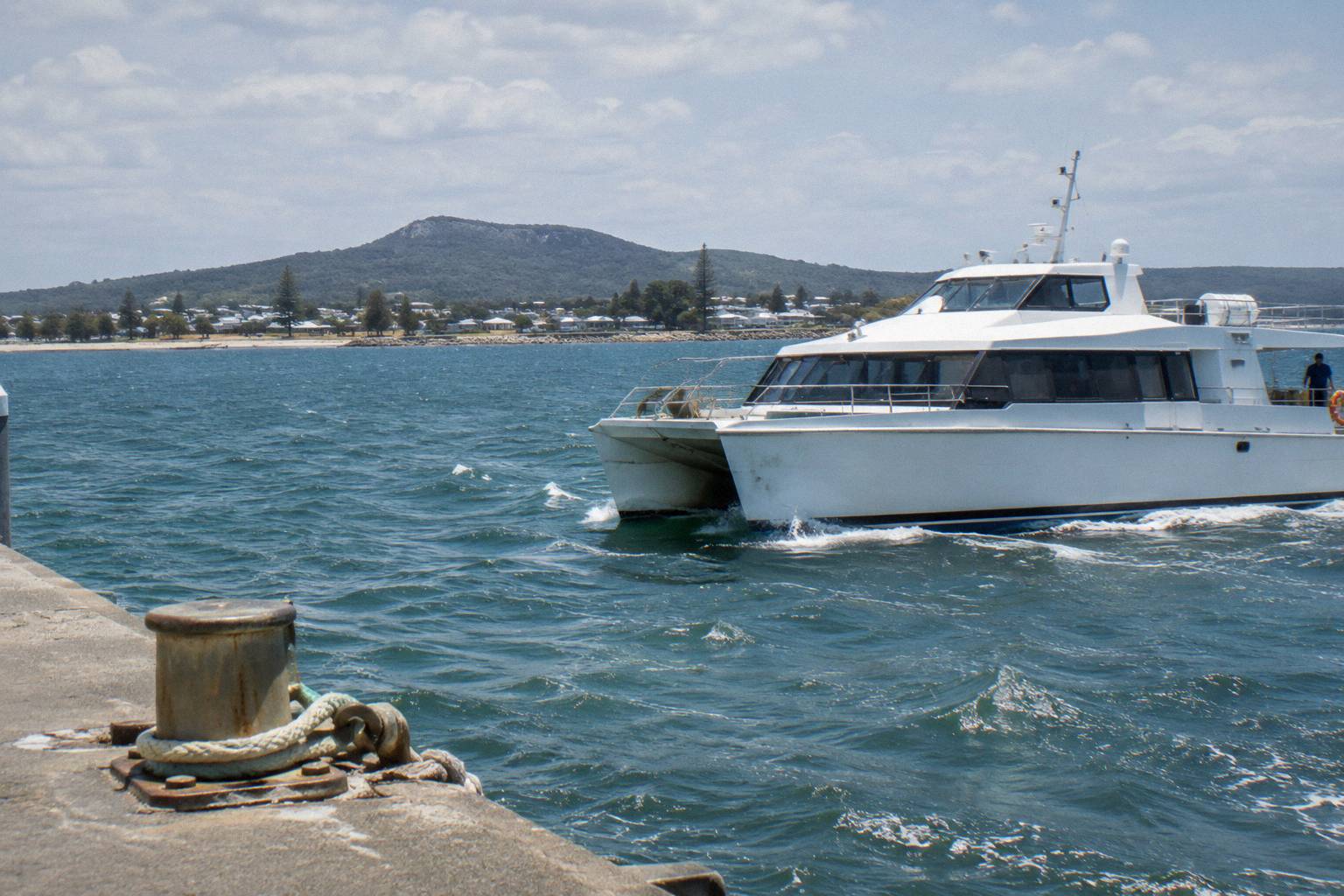
The Wild Port Stephens Marine Park Cruise takes a different angle again: a 1.5-hour sightseeing loop of the marine park on the MV Osprey, from A$46, with commentary and panoramic decks. If offshore conditions are poor, its operator says the route may stay inside the bay, which in practice keeps the trip in the pod's core waters. Note the boat has no boom net; the draw is wildlife watching and the commentary on the park itself, and the animals on view can include seals and seabirds alongside the resident dolphins.
Why No Boat Can Promise You A Dolphin
NSW approach rules keep vessels at least 50 m from a dolphin, with a caution zone starting at 150 m, and only three vessels may be inside a caution zone at once. Boats cannot chase, encircle or separate dolphins, and if dolphins choose to bow-ride, the vessel must hold course and speed. The animals decide the encounter, which is why a promise is impossible.
Those rules come from the NSW Government's approach distances for whales, dolphins and dugongs, and they shape every dolphin cruise more than any brochure admits. When a boat finds the pod, it approaches from the side at a constant slow speed, keeps a lookout posted, and holds its distance. With a calf present, a vessel may not enter the caution zone for closer viewing at all, and spring is calving time for many resident groups. A mostly white animal always carries a 500 m buffer.
The bow-riding rule is the one visitors feel most. Dolphins frequently ride the pressure wave at a boat's bow, and the law says the boat must maintain course and speed while they do. That is why the best dolphin moments on any Nelson Bay cruise are often unscripted: the animals come to the boat on their own terms, ride for a while, and peel off. It also explains the gap between "we found the pod" and "the dolphins played around us", and why a good question to ask any crew is simply what the pod has been doing that week.
None of this makes sightings rare. It makes sightings unforceable, which is a different thing. Moonshadow's own dolphin-watching page (moonshadow-tqc.com.au) is candid that the animals are totally wild and success is never guaranteed, and the same page is happy to sell you the trip anyway, because a resident pod in a small port means the crews usually know where to look.
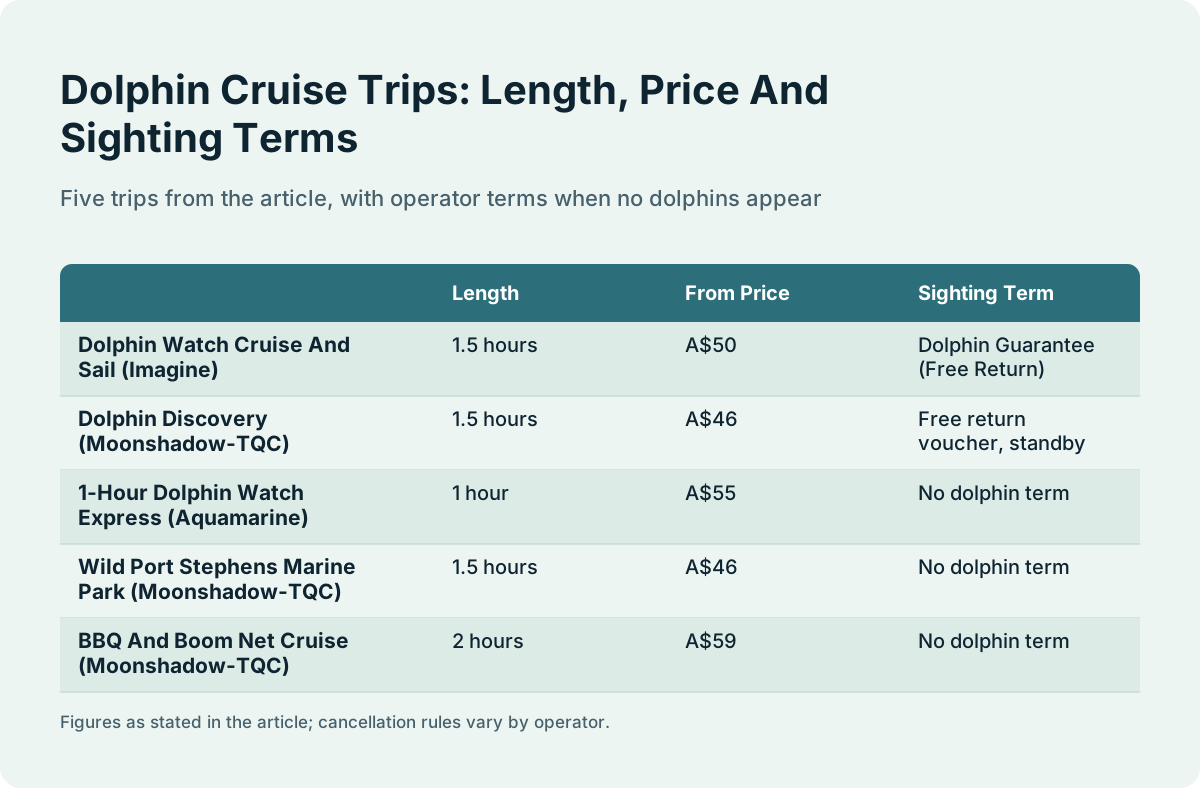
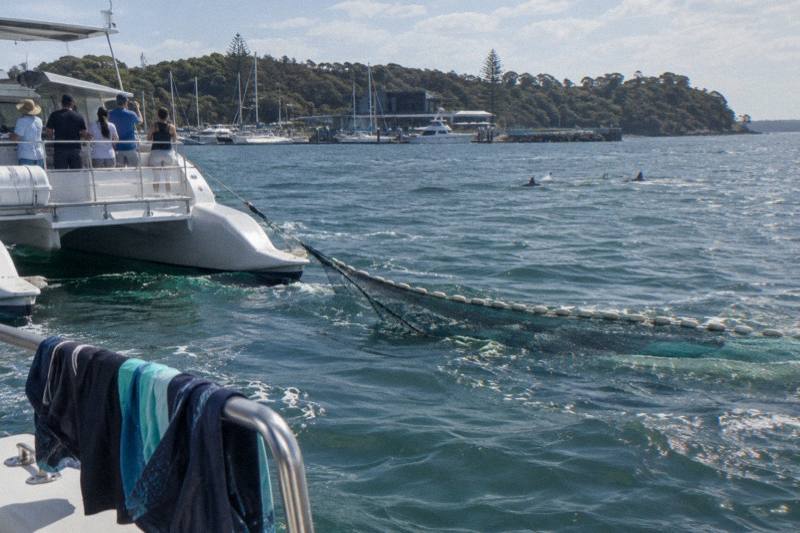
The boom net deserves one paragraph here, because it gets mis-sold constantly elsewhere. The net is a ride slung off the side of the boat while it moves; it is never a swim with dolphins, and no boat here offers a dolphin swim. Whether dolphins appear near the net is entirely up to them. The full story is in the guide to the boom net experience on Nelson Bay dolphin boats.
Season, Time Of Day And Your Chances
Dolphins live in Port Stephens all year (NPWS), so no month is dolphin-free. Moonshadow's dolphin cruises run all year; Imagine's sailing cruise runs November to April only, and the BBQ and Boom Net cruise December to April. Humpback whales pass from May to November, up to 40,000 along the coast.
The calendar does change what kind of trip you get, even if it does not switch the pod on and off. Summer and autumn carry the most product: both the sailing cruise and the BBQ cruise run through the warm months, alongside the year-round boats. Winter strips the fleet back but keeps the dolphins, and adds whales: humpbacks pass north from May to August and south from August to November, so a winter dolphin cruise often shares the water with whale traffic, and some guests report dolphin sightings even on dedicated whale trips.
Time of day is where restraint is needed, because the booking calendars decide departure times for every cruise. Moonshadow describes late-morning and early-afternoon departures daily all year, with an extra afternoon departure in school holidays except winter. There is no verified best hour for dolphins, and anyone who tells you otherwise is guessing. The choosing logic is in morning or afternoon for a Nelson Bay dolphin boat.
| Period | Dolphins | Extra boats sailing | Whales |
|---|---|---|---|
| November to April | Resident pod all season | Sailing cruise and BBQ cruise both running | Whales to early November |
| May to August | Resident pod all season | Year-round boats only | Humpbacks heading north |
| September to early November | Resident pod all season | Year-round boats only | Humpbacks heading south |
Weather decisions sit with the operator, not you. If offshore conditions are poor, the Wild Port Stephens route may stay in the bay, and if an operator cancels outright you get a full refund or a transfer. The full picture of how weather and cancellations work is in weather and cancellations on Port Stephens dolphin boats, and the Bureau of Meteorology's (Nelson Bay climate averages) show the seasonal shape: January means 27.3 degree days, July 17.6.
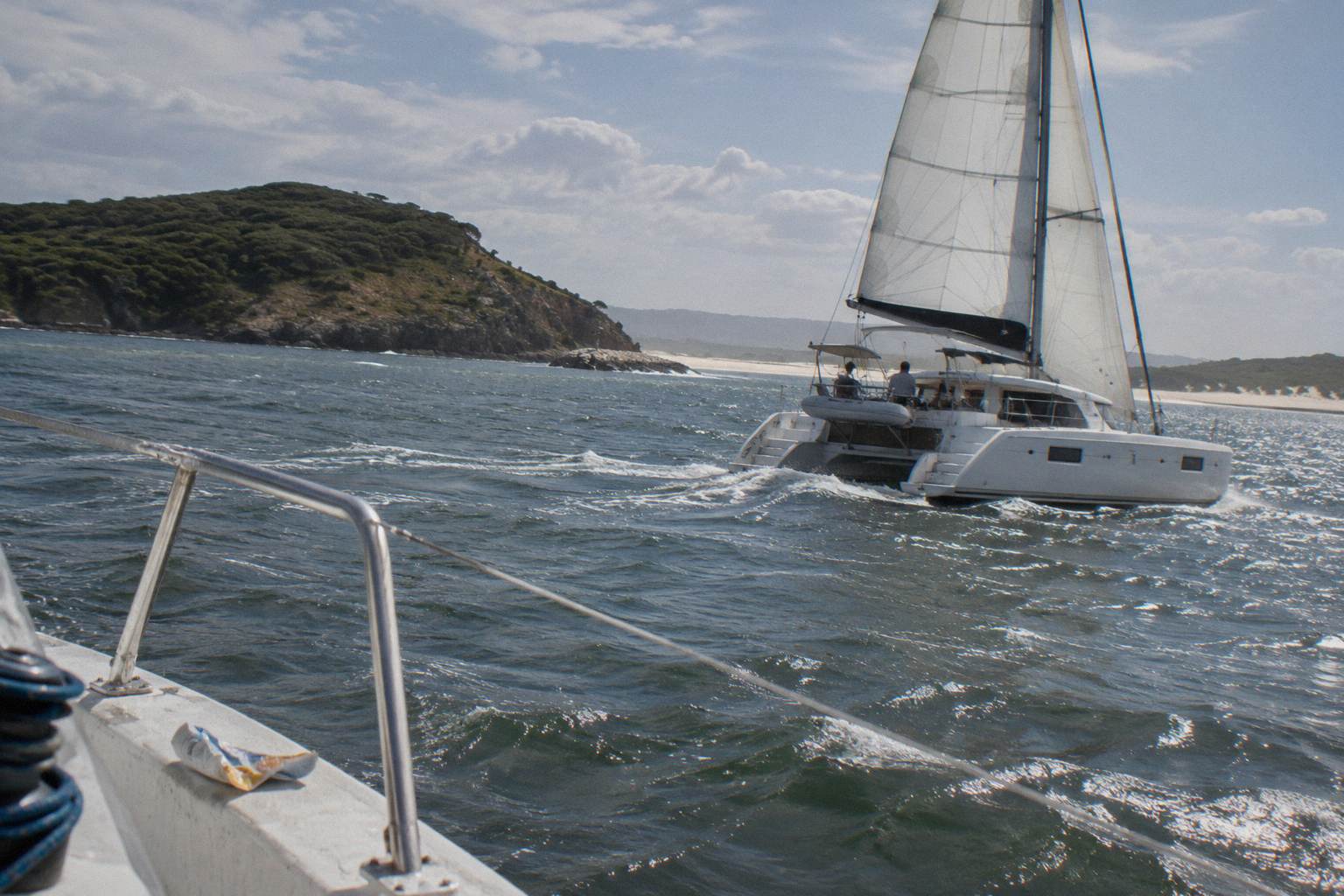
One seasonal nuance is worth a sentence more. The shoulder months of November and April sit in an overlap: the sailing cruise is still running, the whale season is starting or just finishing, and the water is warm enough that the boom net is comfortable. For a visitor who wants the most boats to choose from and the best chance of a calm sea inside the bay, those are the months to look at first.
Five Mistakes That Hurt Your Odds
The five that recur: expecting a guarantee no operator gives; booking the sailing cruise for a winter visit when it does not run; treating a boom net as a dolphin swim; ignoring the standby rules on a return voucher; and skipping the cruise entirely because nobody will quote you a percentage. Each one is avoidable with the facts above.
The first mistake is the biggest. People hunt for a boat that promises dolphins, find only carefully worded guarantee terms, and conclude the whole thing is a gamble. It is not a gamble; it is a wildlife experience with a resident pod and a safety net. The decision that actually protects you is choosing a boat whose fallback suits you: a voucher you can use is worth more than a promise nobody can keep.
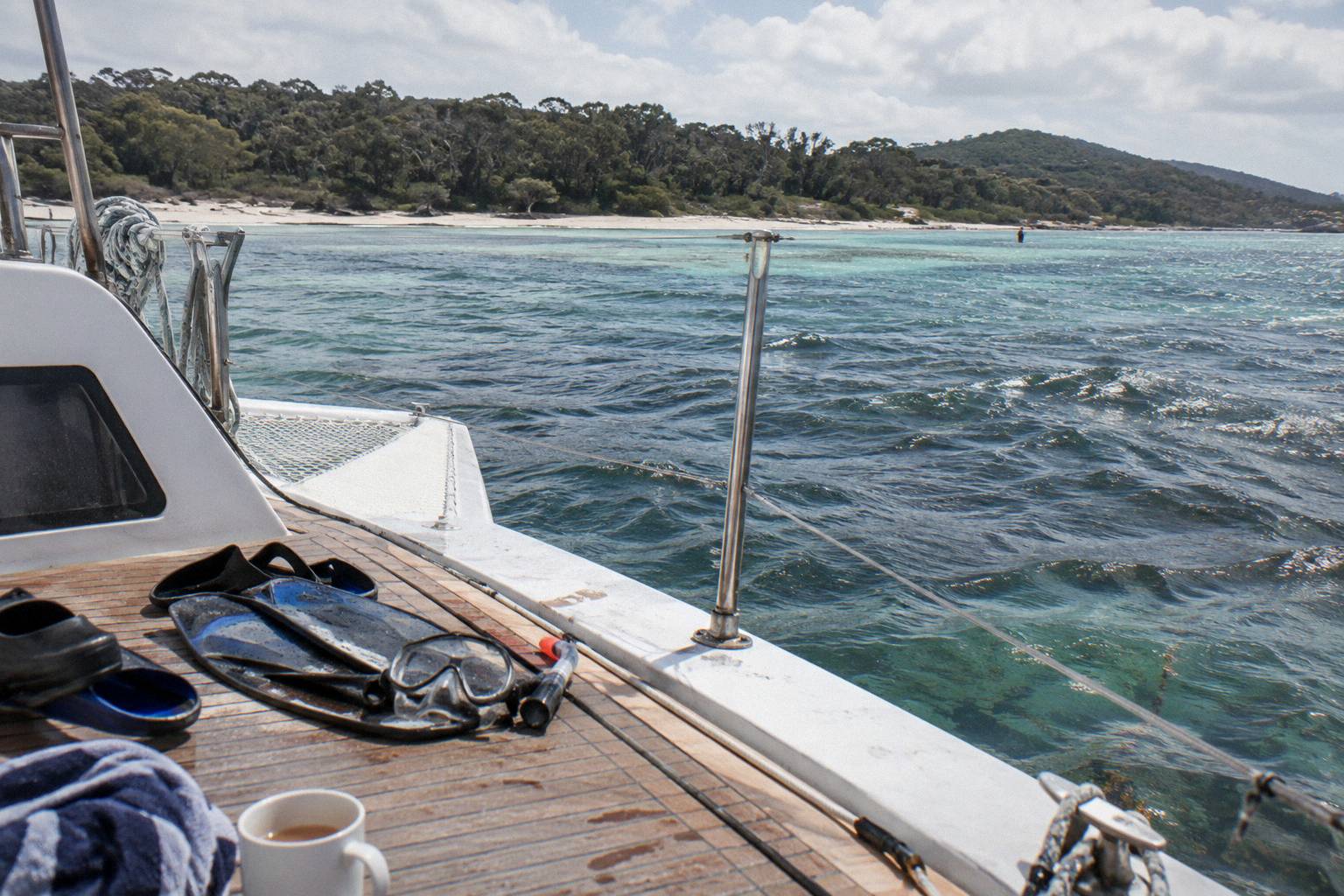
The second is seasonal. Imagine's Dolphin Watch Cruise and Sail runs November to the end of April, and the BBQ and Boom Net cruise December to April; a June planner who fixes on the catamaran is planning around a boat that is not sailing. The third is the boom net confusion covered earlier: it is a net ride, full stop. The fourth is voucher mechanics: Moonshadow's return is non-transferable and standby, so it works best for locals and travellers with spare days, and less well for someone flying out the next morning. The fifth is simply overthinking the number, since Port Stephens Dolphin Cruises offer everything except a percentage.
| Mistake | What goes wrong | The fix |
|---|---|---|
| Expecting a guarantee | No operator here gives one | Compare free-return terms instead |
| Booking the catamaran for July | Sailing cruise runs November to April | Pick a year-round boat in winter |
| Thinking the boom net is a swim | It is a net ride, never a dolphin swim | Read the boom net guide first |
| Ignoring voucher rules | Standby, non-transferable, no cash refund | Check you can actually come back |
| Demanding a sighting rate | No rate exists for any boat | Weigh resident pod plus fallback terms |
Beyond the mistakes, small choices help. More hours on the water means more searching, which favours the 2-hour BBQ cruise or the 3.5-hour snorkel trip over a tight schedule if your whole day is about the pod. And on any boat, ask the crew where the dolphins have been feeding; they work the same water daily and the answer is usually current. Travelling with children changes the calculus a little too, and the age rules, from Moonshadow's 4-to-14 child band to the boom net height rule, are gathered in dolphin boat trips with kids in Port Stephens.
Which Trip To Pick If Seeing Dolphins Is The Whole Point
Pick by fallback, season and time on the water, in that order. November to April gives you every boat including the guaranteed-return sailing cruise; winter leaves the year-round Moonshadow and Aquamarine trips. Longer trips search longer. The three below cover the range: the sailing cruise with its return term, the half-day snorkel trip, and the marine park loop.
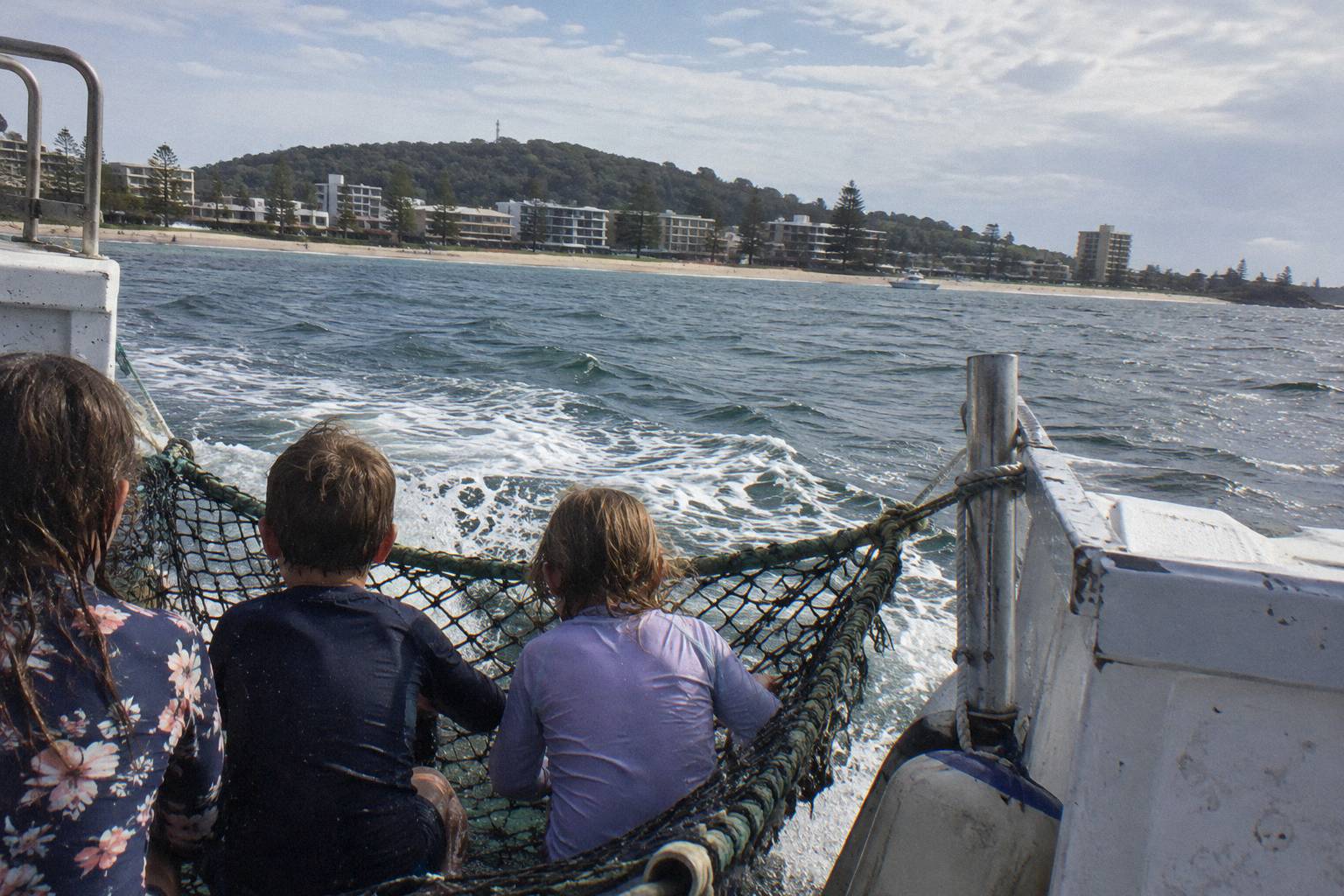
If a free return is what would let you book with a calm mind, the Imagine sailing cruise is the natural first choice: 1.5 hours, from A$50, tea and coffee on board, a 4.8 from 106 reviews, and the operator's own Dolphin Guarantee behind it. If time on the water matters more, the Marine Discovery snorkel cruise triples the hours and puts you at water level with a dive-master guide when the pod does appear. If you want the cheapest loop of the pod's home waters with commentary on the park itself, the MV Osprey runs it from A$46.
The one scenario worth naming is the short visit. If you are in Nelson Bay for a single day and cannot use a standby voucher, the fallback terms matter less than the calendar does: pick any boat sailing that day, from the year-round fleet if it is winter, and let the resident pod do the rest. A one-day visit also rewards the fast format, and the 1-hour express, from A$55 with a 4.9 from 62 reviews, is the tightest loop of the resident bottlenose dolphins on the water. The broader comparison, including the whale boats and the day trips from Sydney and Newcastle, is in Port Stephens cruises compared.
Common Questions About Dolphin Sightings From Nelson Bay Boats
Do You See Dolphins On A Dolphin Cruise?
Most cruises find the resident pod because roughly 90 to 120 Indo-Pacific bottlenose dolphins live permanently in Port Stephens (NPWS), but no operator guarantees a sighting. Moonshadow says 100% sighting success is not guaranteed; Imagine offers a free return under its Dolphin Guarantee.
Are Dolphins In Port Stephens All Year?
Yes. The NSW National Parks and Wildlife Service says the resident pod lives in the port permanently and you can visit at any time of year to see them. Moonshadow's dolphin cruises run all year; Imagine's sailing cruise runs November to April only.
What Happens If You Don't See Dolphins?
It depends on the operator. Moonshadow issues a non-transferable free return voucher on a standby basis if dolphins are not located, with no cash refund. Imagine's Dolphin Watch Cruise and Sail carries a Dolphin Guarantee (Free Return). Aquamarine's express trips carry no dolphin-specific term.
How Close Do The Boats Get To The Dolphins?
Under NSW approach rules, a vessel may go no closer than 50 m to a dolphin, with a caution zone starting at 150 m and only three vessels allowed inside it at once. If dolphins bow-ride, the boat maintains course and speed, so close approaches happen on the dolphins' initiative.
Is There A Best Month For Dolphin Sightings?
No month is dolphin-free because the pod is resident. More boats sail from November to April, including the catamaran and the BBQ cruise, while winter runs the year-round trips plus whale season from May to November.
Can You Swim With The Dolphins On A Nelson Bay Cruise?
No cruise here is a dolphin swim. The boom net is a net ride slung off a moving boat, never a swim with dolphins, and no boat on the water at Nelson Bay lets you swim with the pod.